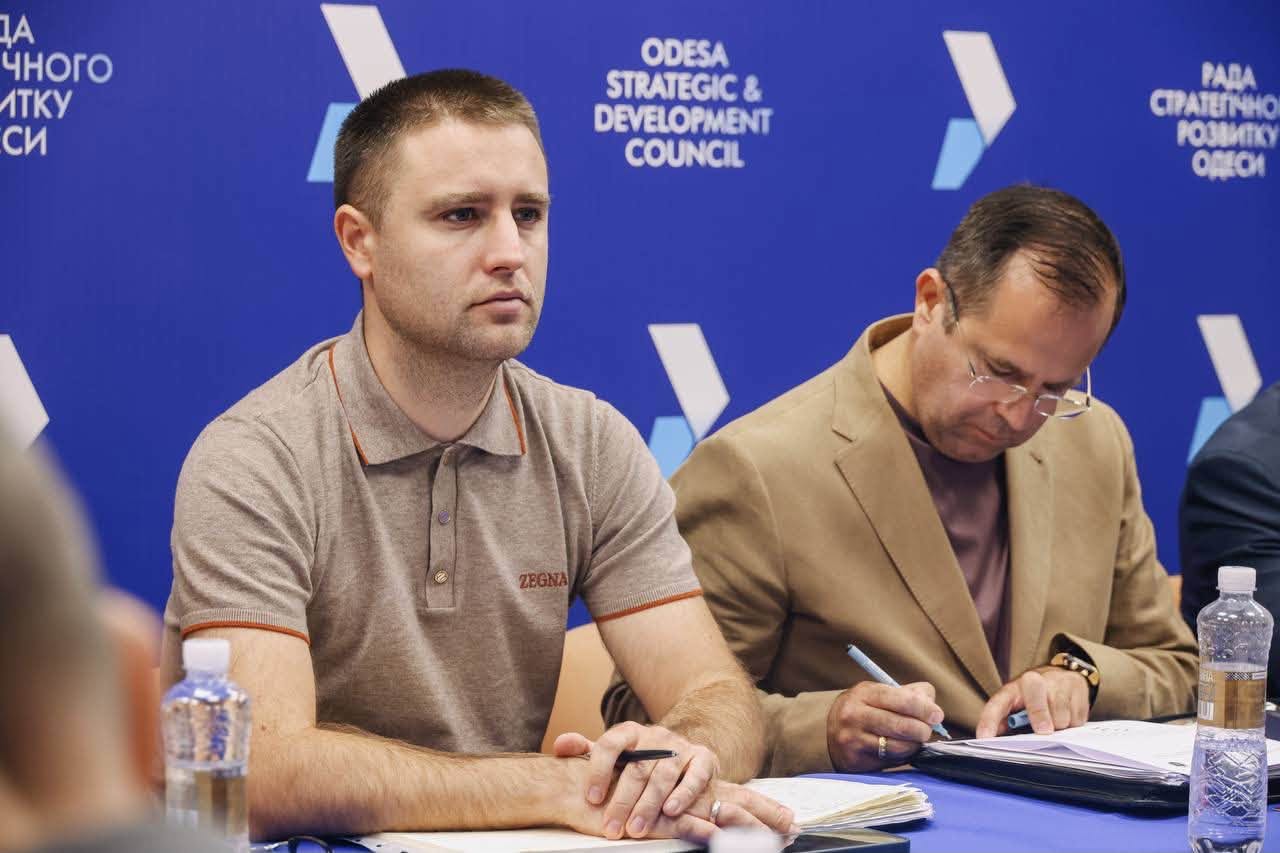
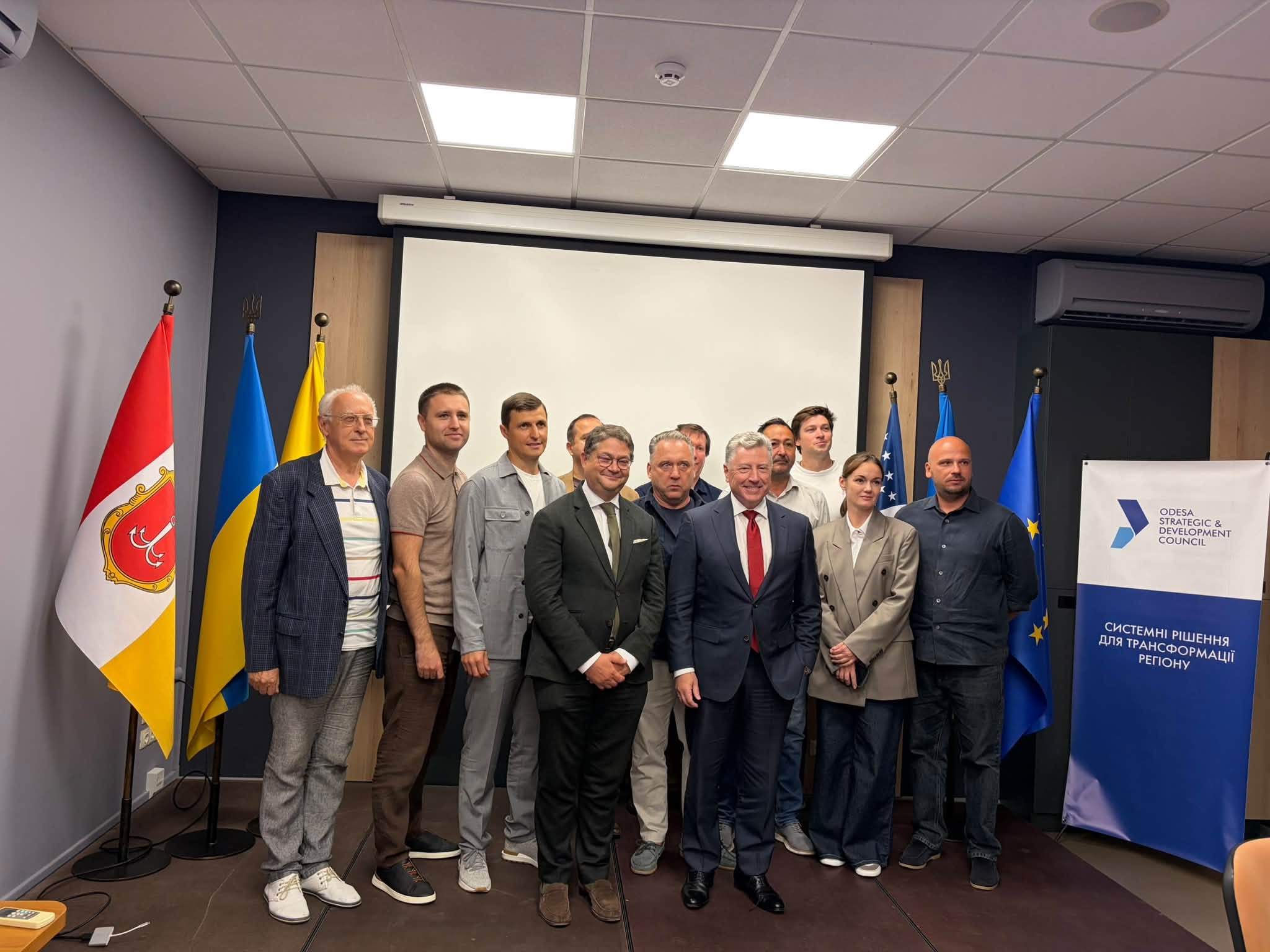
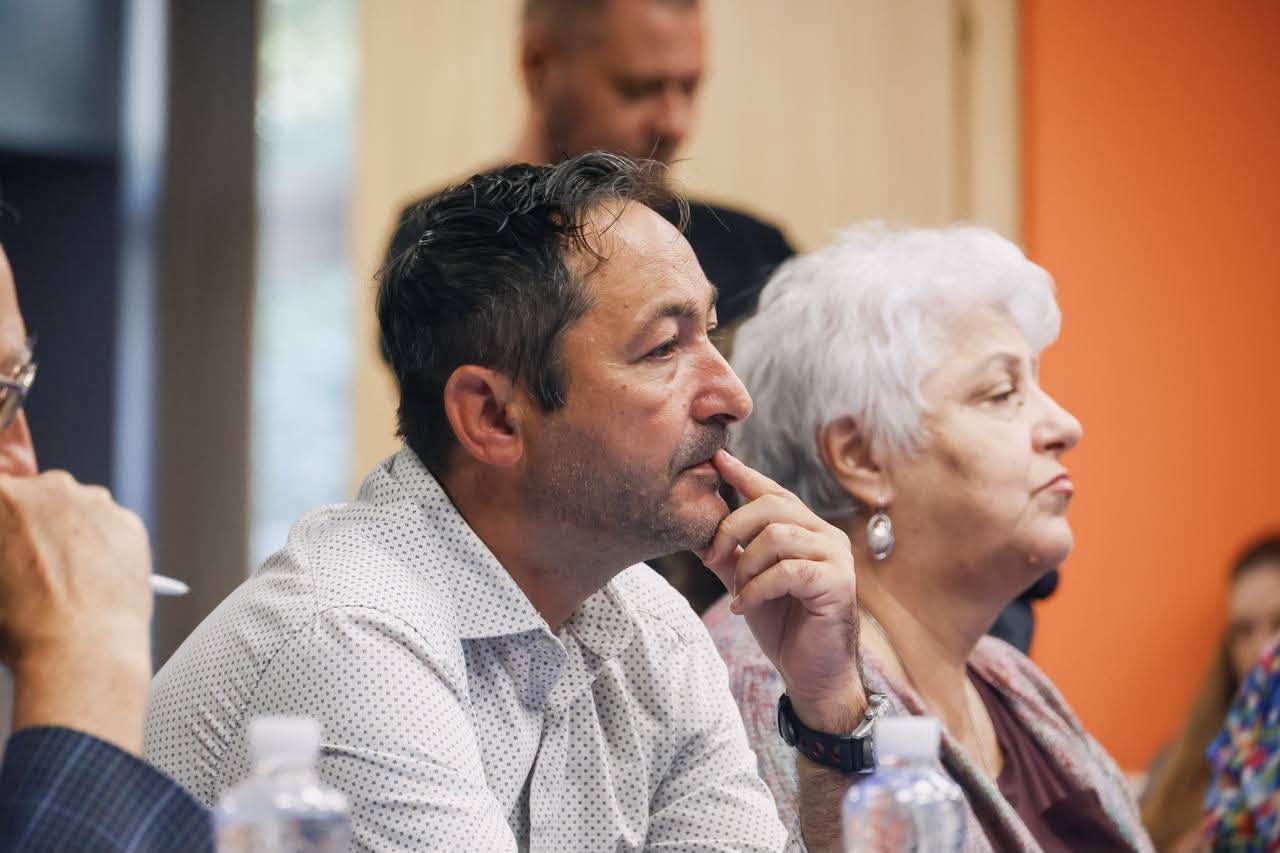
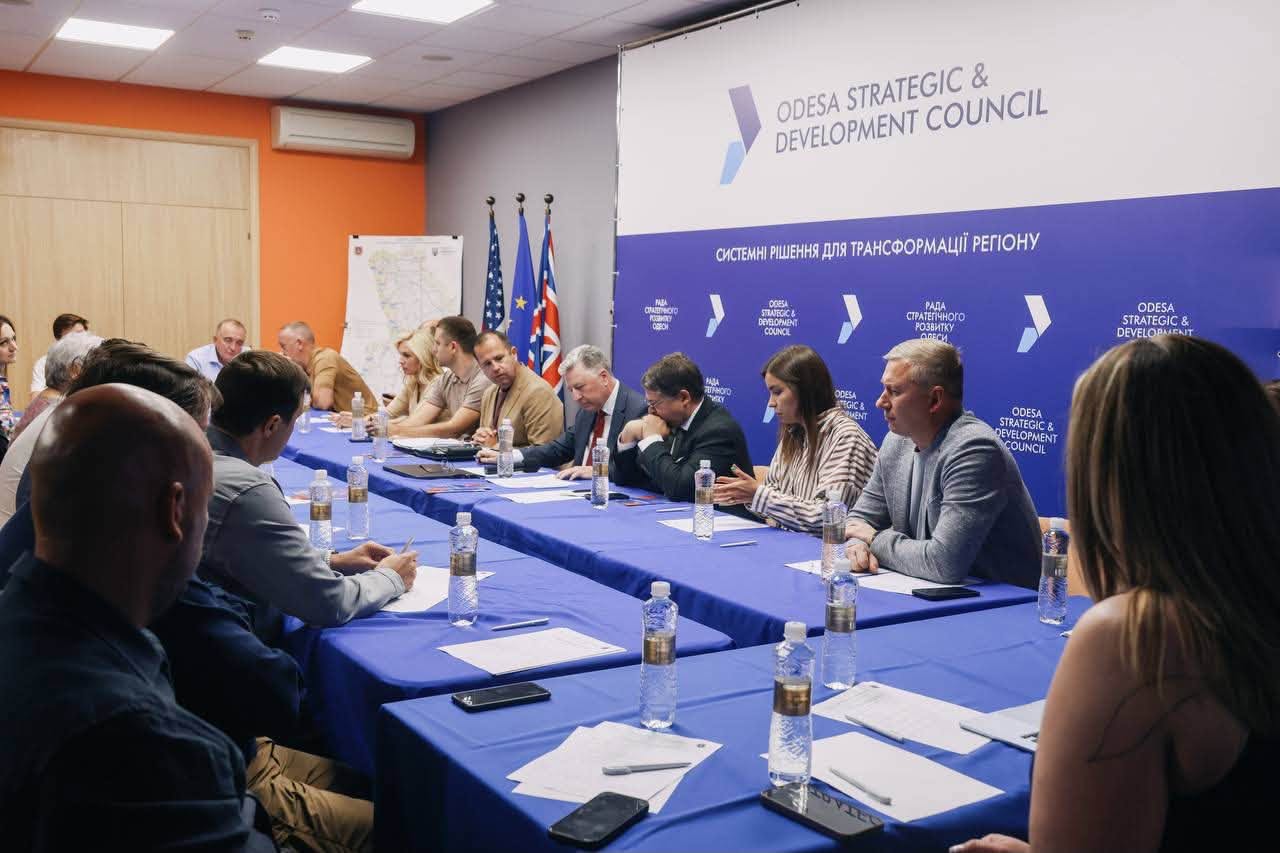
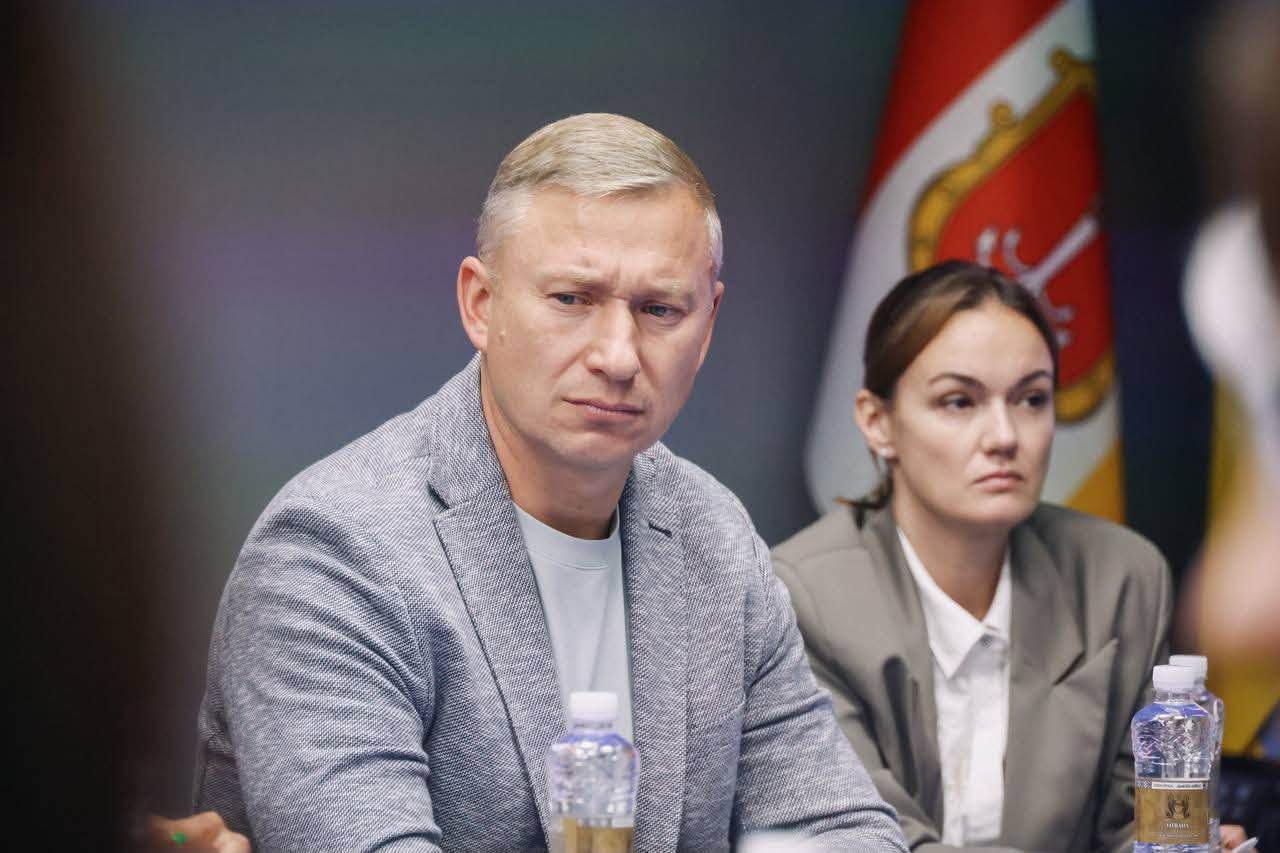
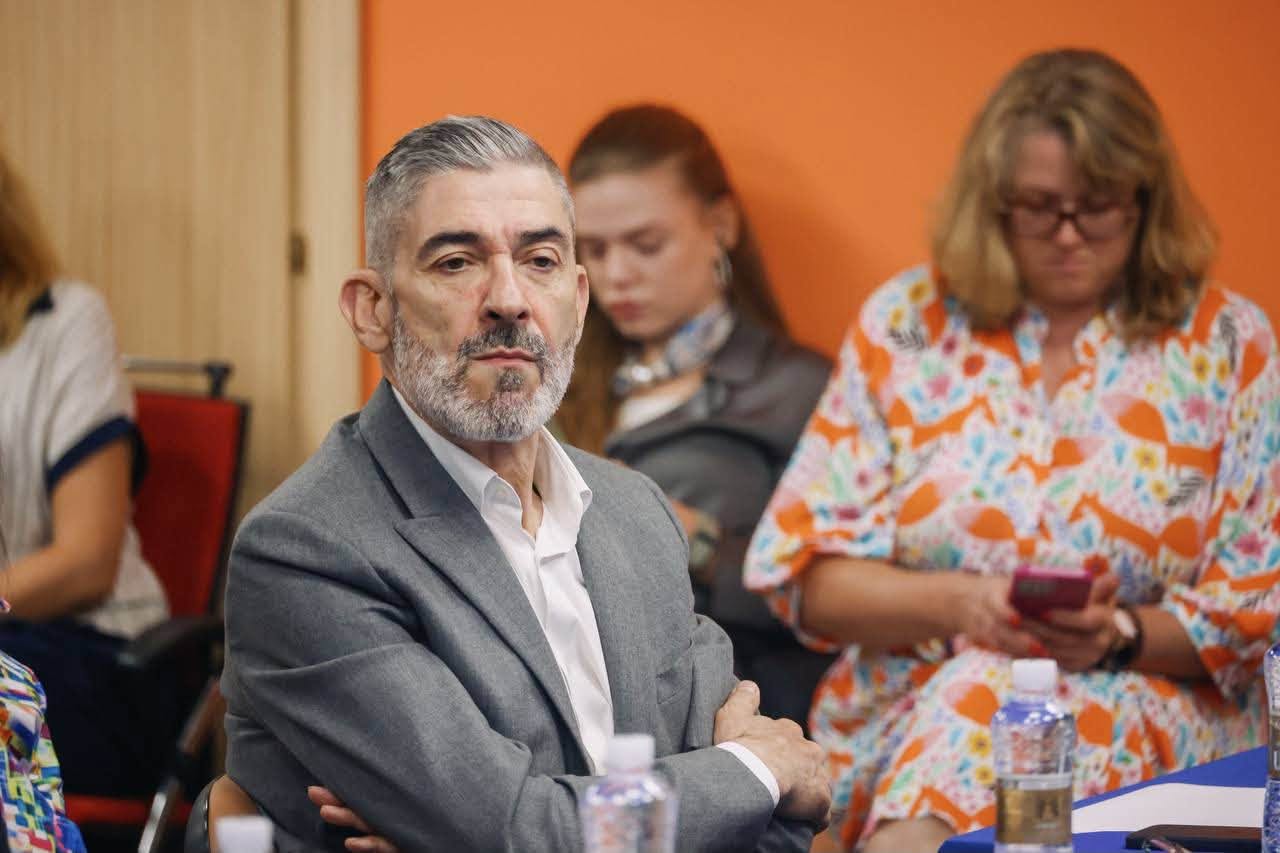
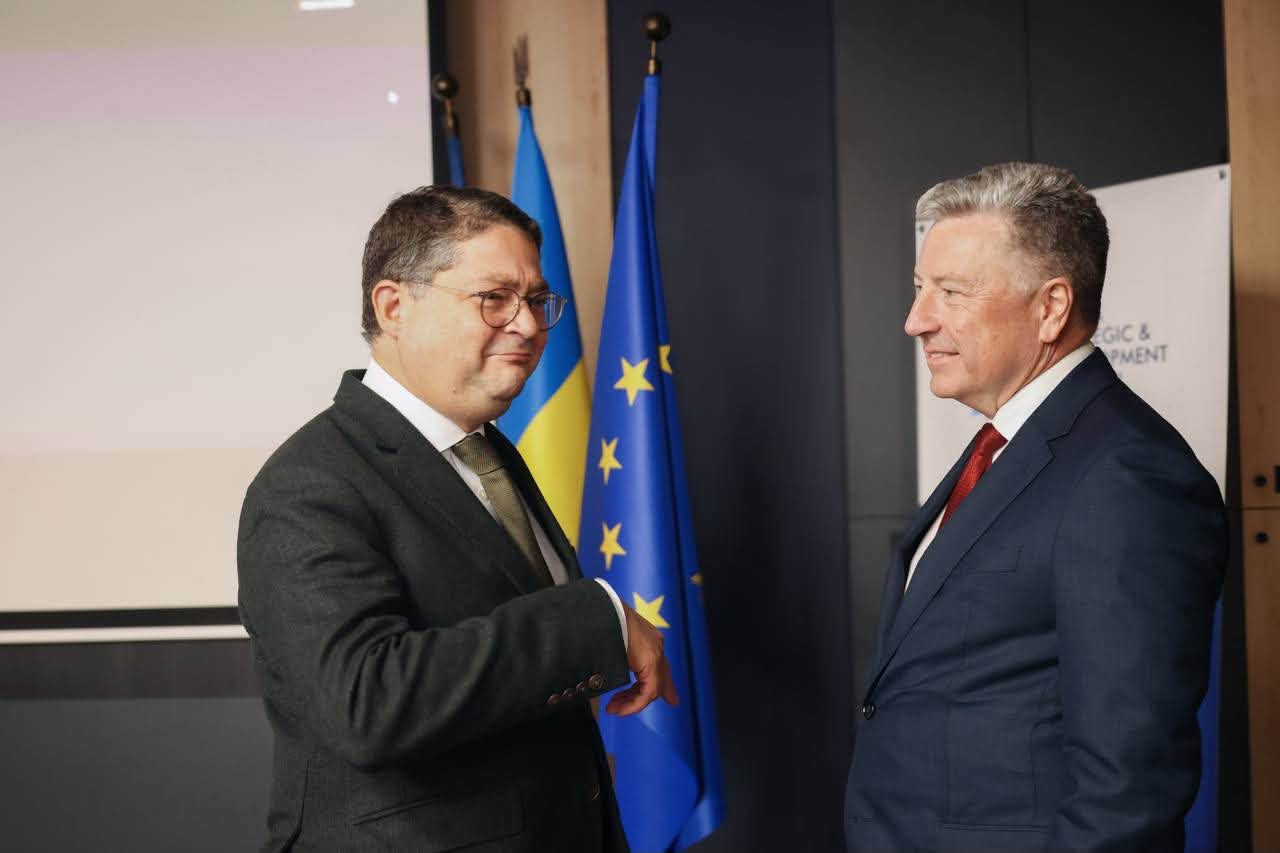
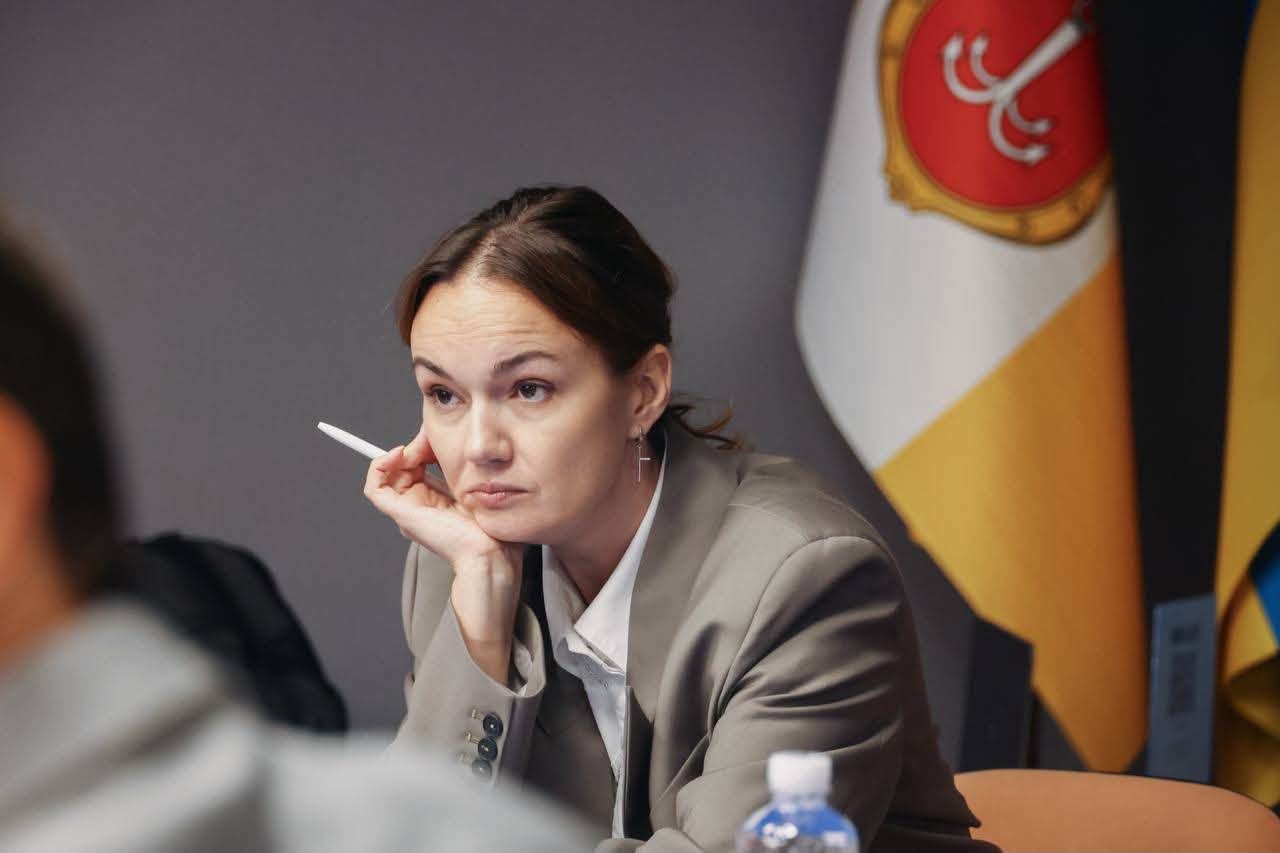
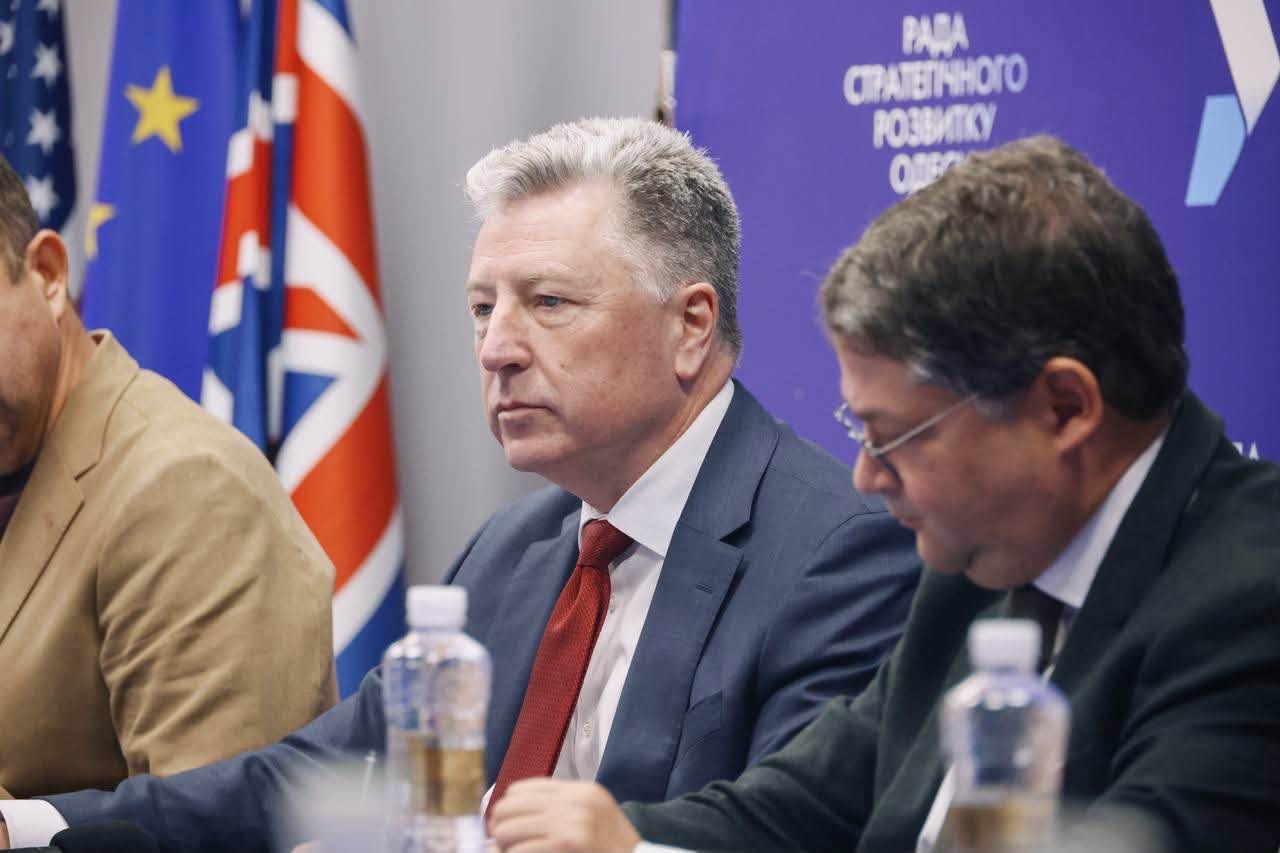
Odesa is becoming a key platform for testing new mechanisms of international cooperation and regional recovery. Recently, the city hosted a large-scale meeting of the Strategic Development Council, which demonstrated that an influential informal alliance of Western diplomats, military officials, and financiers is joining the planning of the region’s future.
The main signal for investors was the presence at the negotiating table of Kurt Volker, former US Ambassador to NATO, and Pierre Heilbronn, former Special Envoy of the French President for Ukraine’s Relief and Reconstruction and former Vice President of the EBRD. Furthermore, American General Keith Kellogg will join the Council’s work. Such attention from representatives of North Atlantic and European structures forms a powerful alliance of support, guaranteeing international transparency in the rebuilding processes in southern Ukraine.
The goal of uniting the efforts of local authorities (the Odesa City Council and the Regional Military Administration) and international partners is to develop a fundamental regional development strategy with a planning horizon of 10–15 years. The deadline is set for May 2027. According to Kurt Volker, strategic thinking should no longer be limited purely by administrative borders; the Odesa region must be viewed as a global logistical and economic hub.
To ensure global quality standards, leaders of the consulting market—McKinsey and Boston Consulting Group (BCG)—are being involved in developing the strategy. Negotiations are currently underway to finance their work through donor programs, including the UNDP.
Our position remains unchanged: successful rebuilding is impossible without the synergy of international capital, transparent long-term strategies, and local business initiatives. We advocate for creating an environment where every investment project strengthens community resilience and brings us closer to economic and energy independence.
A separate priority within the new strategy is decarbonization and the development of decentralized energy. The Head of the State Agency on Energy Efficiency, Anna Zamazieieva, announced the relaunch of the region’s energy system. Coordination will take place through the newly created decarbonization office.
The issue of energy is inextricably linked to basic security. Attacks on infrastructure have left hundreds of thousands of consumers without electricity. Therefore, the infrastructure block of the strategy will focus on developing cogeneration systems, energy storage, and building underground schools, which will help preserve the city’s viability and protect human capital.
International partners have also sent a clear message to local businesses: they are ready to open doors to European markets and donors, but the initiative must come from the bottom up. As Pierre Heilbronn noted, it is local entrepreneurs who understand the local economy best. Their task is to qualitatively structure their investment projects in logistics, agriculture, healthcare, and fintech, while the international team will help find partners for them.
Next week, the practical phase begins: the creation of expert working groups and direct communication with consulting agencies. Odesa is taking a confident step from situational response to global, long-term planning with the strong support of the Western alliance.