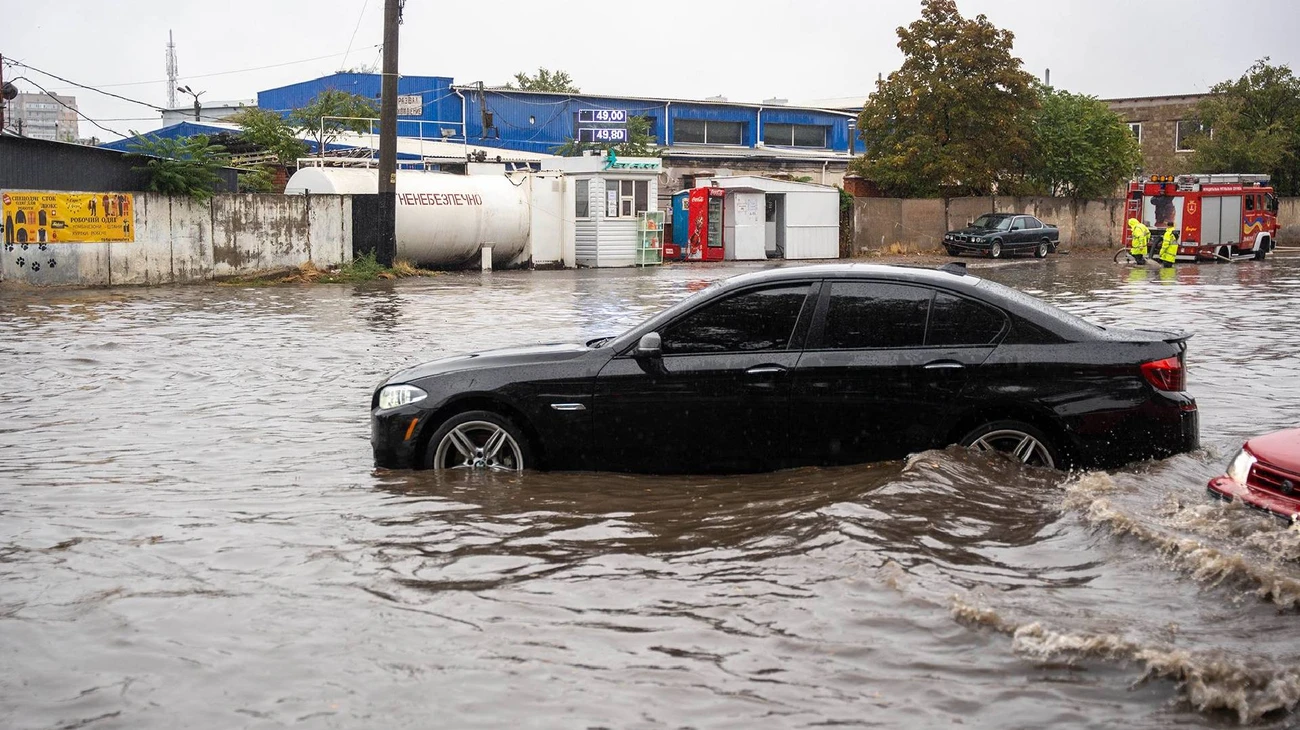
Streets that turned into rivers; flooded basements and cars; de-energized pumping stations and paralyzed transport — this is how the city looked after the heavy downpour on September 30. Within a day, about 94 mm of precipitation fell in Odesa, which is more than 220–224% of the monthly norm for September. This caused large-scale flooding and the collapse of the stormwater infrastructure.
Urban stormwater collectors and pumping stations simply could not withstand the load — part of the pumps were flooded, and others stopped due to power outages. As a result, the streets turned into streams, entire neighborhoods were left without water, electricity, and access to critical infrastructure.
The disaster claimed human lives: according to official reports, at least 10 people died, thousands of residents sought help, and hundreds of households were damaged — the losses are still being calculated. Both private households and apartment buildings suffered — the consequences are considered significant.
Intensive short-term precipitation is one of the types of extreme events whose frequency and intensity are increasing due to climate change. At the global level, the amount of water vapor in the atmosphere increases approximately according to the Clausius–Clapeyron law — about 7% for every +1 °C of warming, and this makes heavy downpours more likely and more intense. Studies show that in Ukraine, the number of extreme events has increased significantly over the past decades. That is, “record” downpours that used to be an exception — occurring once every 20 years — are now moving into the category of “several times a year.”
Our team at the NGO Ukraine Rebuilding Alliance conducted a review of global practices and modeling of local effects (review of global cases + analysis of basic hydrological scenarios). The conclusion is simple: responding only with “pipe repairs” means fighting the symptoms, while systemic changes are necessary. Addressing the consequences of such events must be two-tiered: urgent strengthening of infrastructure resilience (grey solutions) + large-scale implementation of nature-based approaches (green/blue solutions). Here are the priority directions that will determine the effectiveness of city protection:
Modernization of the stormwater network and pumping stations
— revision of the capacity of collectors taking into account new climate scenarios; backup power sources (generators, autonomous systems) for all key pumping points; increasing requirements for the design of critical infrastructure and regular testing of emergency modes (the cases in Odesa showed the importance of backup power and rapid restoration of pumps).
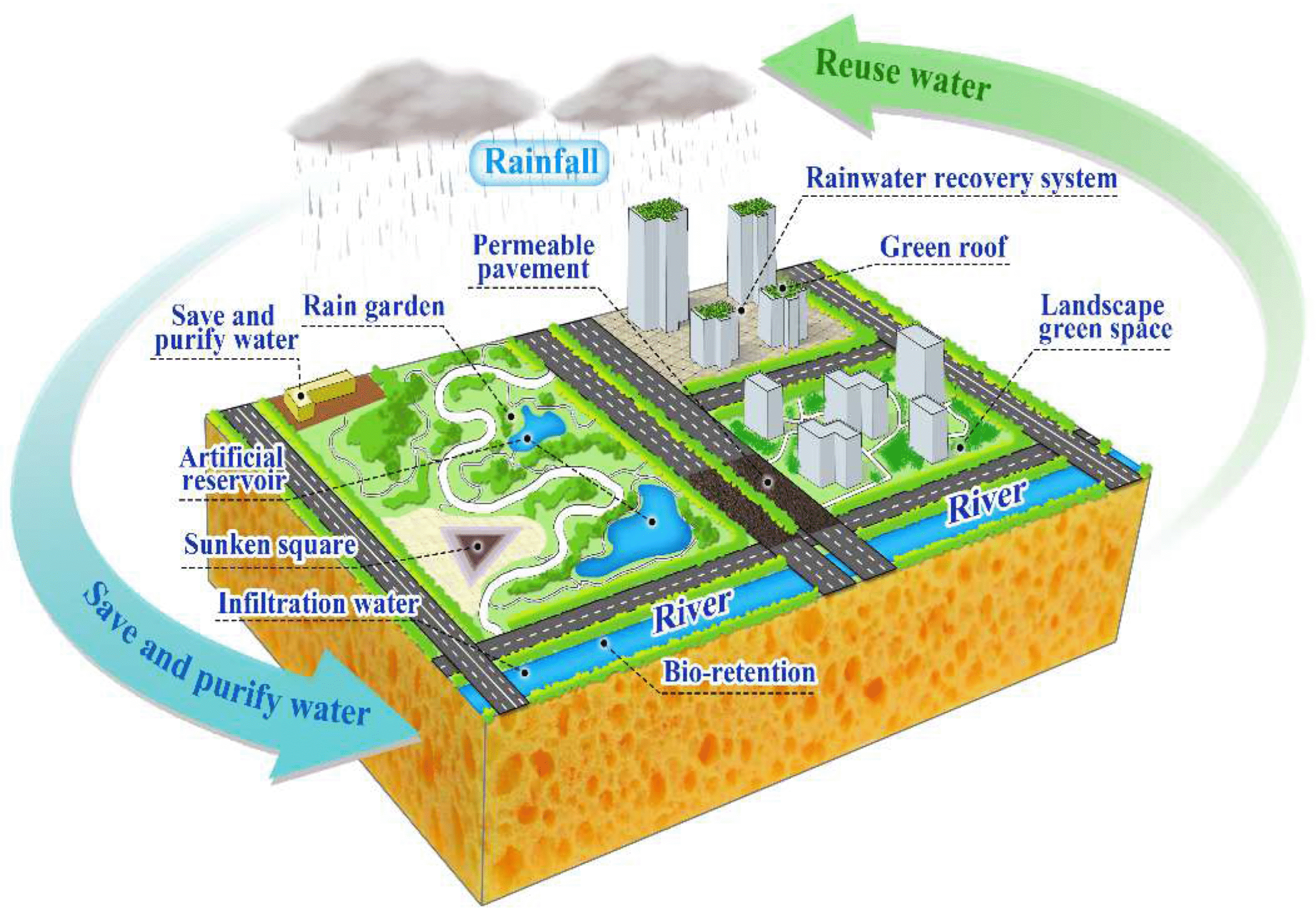
Integration of green infrastructure (rain gardens, green roofs, permeable surfaces, water capture lines)
— such solutions slow down runoff, retain and partially filter precipitation, reducing the load on “grey” networks and providing time for water drainage. Practice shows that a combined approach (grey + green/blue solutions) provides much higher resilience: examples of Wuhan, Copenhagen, and Rotterdam demonstrate how the combination of natural and technical solutions reduces risks and brings social benefits.
Systems for collecting and reusing rainwater
— local tanks and networks for technical use of water (irrigation, technical processes) reduce the load on drainage systems during periods of intense rainfall; such systems also increase local water autonomy and can provide savings for municipalities and institutions.
Planning and spatial solutions
— prohibition of construction in the most vulnerable lowlands without proper protective measures; creation of “absorption zones” and reserve spaces for temporary water storage; integration of flood models into urban planning documentation procedures.
Energy supply resilience and preparedness of emergency services
— backup generators for key pumping stations, clear evacuation plans, marked evacuation corridors, early warning systems for the population. The experience of Odesa showed that without backup power, pumps quickly fail, and local flooding turns into a catastrophe.
Financing and transparent management
— combination of state programs, international grants, public-private partnerships. Economic analyses (for example, the experience of Copenhagen) show that the “cost of inaction” may prove significantly higher than the cost of adaptation.
Cities that have already implemented “sponge city” approaches, green corridors, permeable surfaces, and rainwater collection systems, investing in combined solutions — “grey” (pipelines, pumps) + “green/blue” (green roofs, water areas, permeable surfaces, rain gardens) — have significantly reduced risks and accelerated recovery after heavy rainfall:
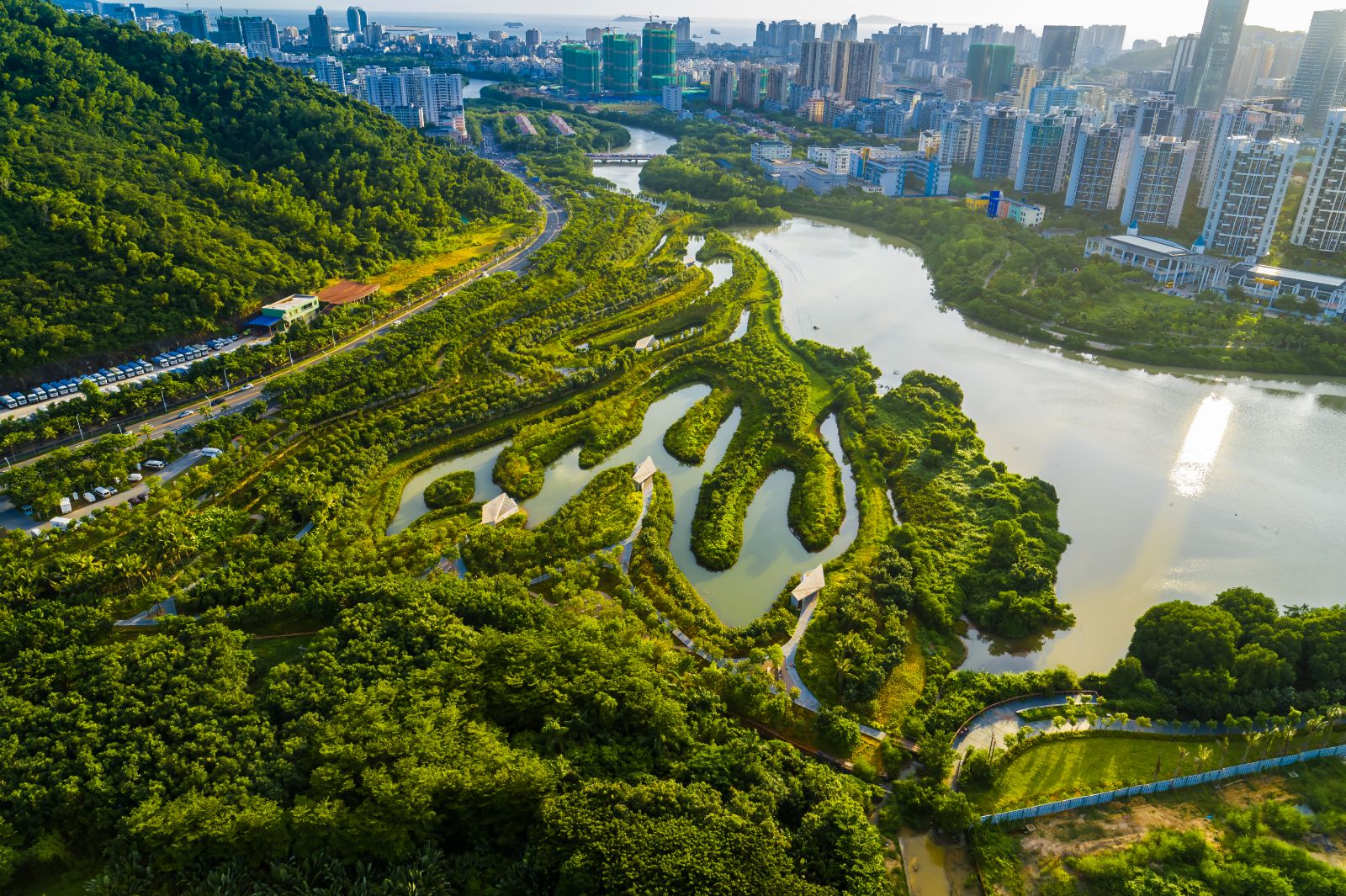
Wuhan (China) — the “Sponge City” pilot showed that the combination of nature-based and technical solutions provides high resilience and is more economically beneficial than purely “grey” options.
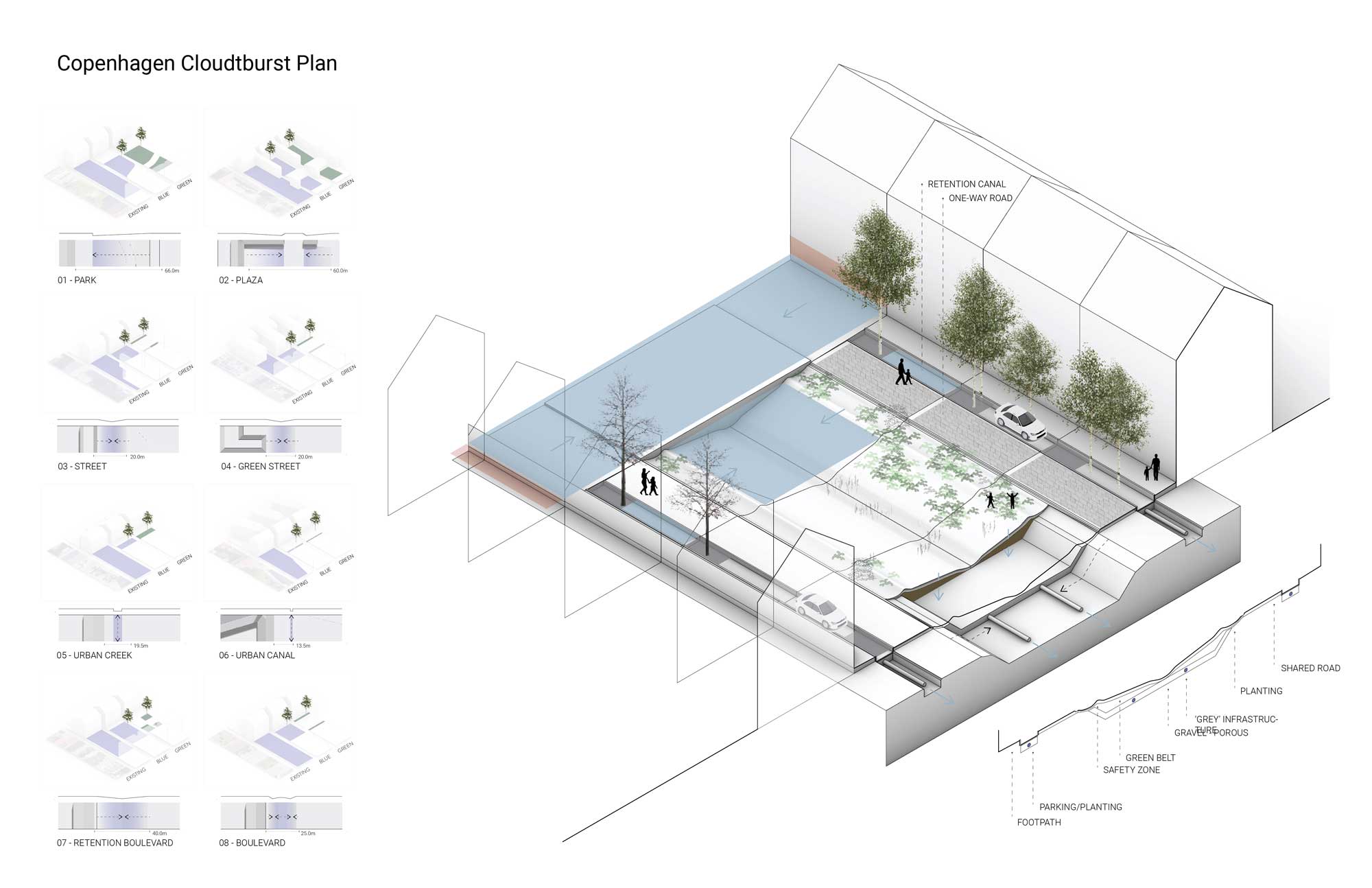
Copenhagen (Denmark) — the Cloudburst Management Plan combines parks, valleys, and infrastructure for temporary water storage; economic assessments showed significant advantages compared to “inaction” and classical engineering options.
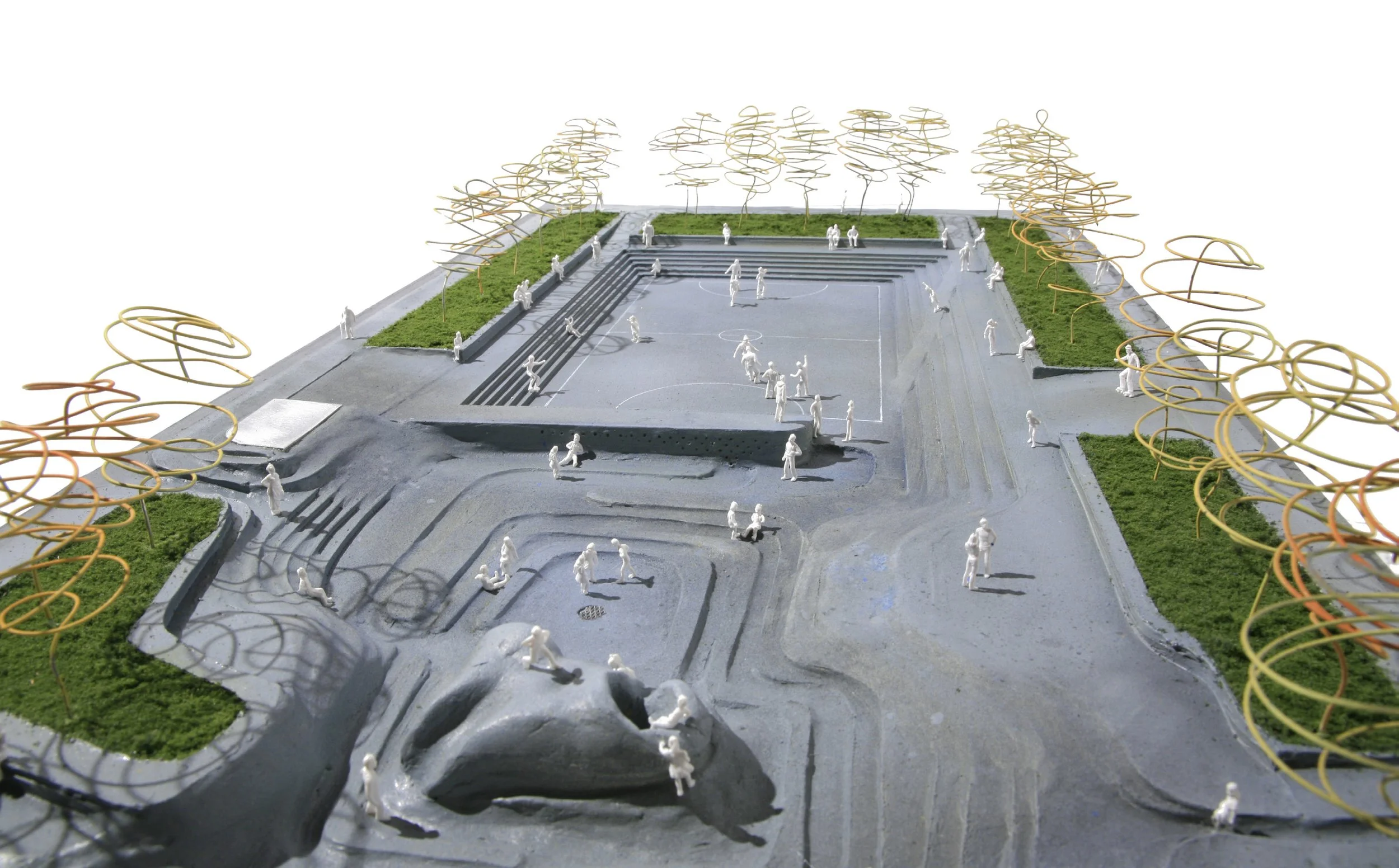
Rotterdam (Netherlands) — water squares as public spaces simultaneously function as temporary reservoirs for rainwater. This allows millions of liters to be diverted during peak rainfall and the space to be reused on ordinary days.
These cases are not ideals, but real practices that deliver concrete results and lessons for Odesa.
Proven effectiveness of certain solutions: green roofs can retain a significant portion of precipitation (within tens of percent reduction of runoff volume; various studies show ranges of ~40–80% depending on design and climate), and permeable pavements can reduce surface runoff from tens to over 70% in laboratory and field studies with proper design and maintenance.
Experts of the Ukraine Rebuilding Alliance propose:
– to initiate a public discussion of the new water management strategy for Odesa;
– together with the city authorities, to develop a phased plan for modernization of the stormwater infrastructure with grey/green integration;
– to seek funding (international donors, reconstruction banks, funds) for the implementation of pilot projects (permeable pavements on avenues, green roofs on schools, backup pumping capacities);
– to involve the community in local initiatives for rainwater collection and yard greening.
We are ready to participate in the design, expert review, and support of such initiatives: to conduct a detailed inventory of the engineering network, prepare feasibility studies for pilots, provide technical support in finding funding, and support public engagement.
Odesa has every chance to become an example of climate-resilient recovery for the entire region — but the time to act is now, because if we do less today than necessary, tomorrow the price will be much higher.