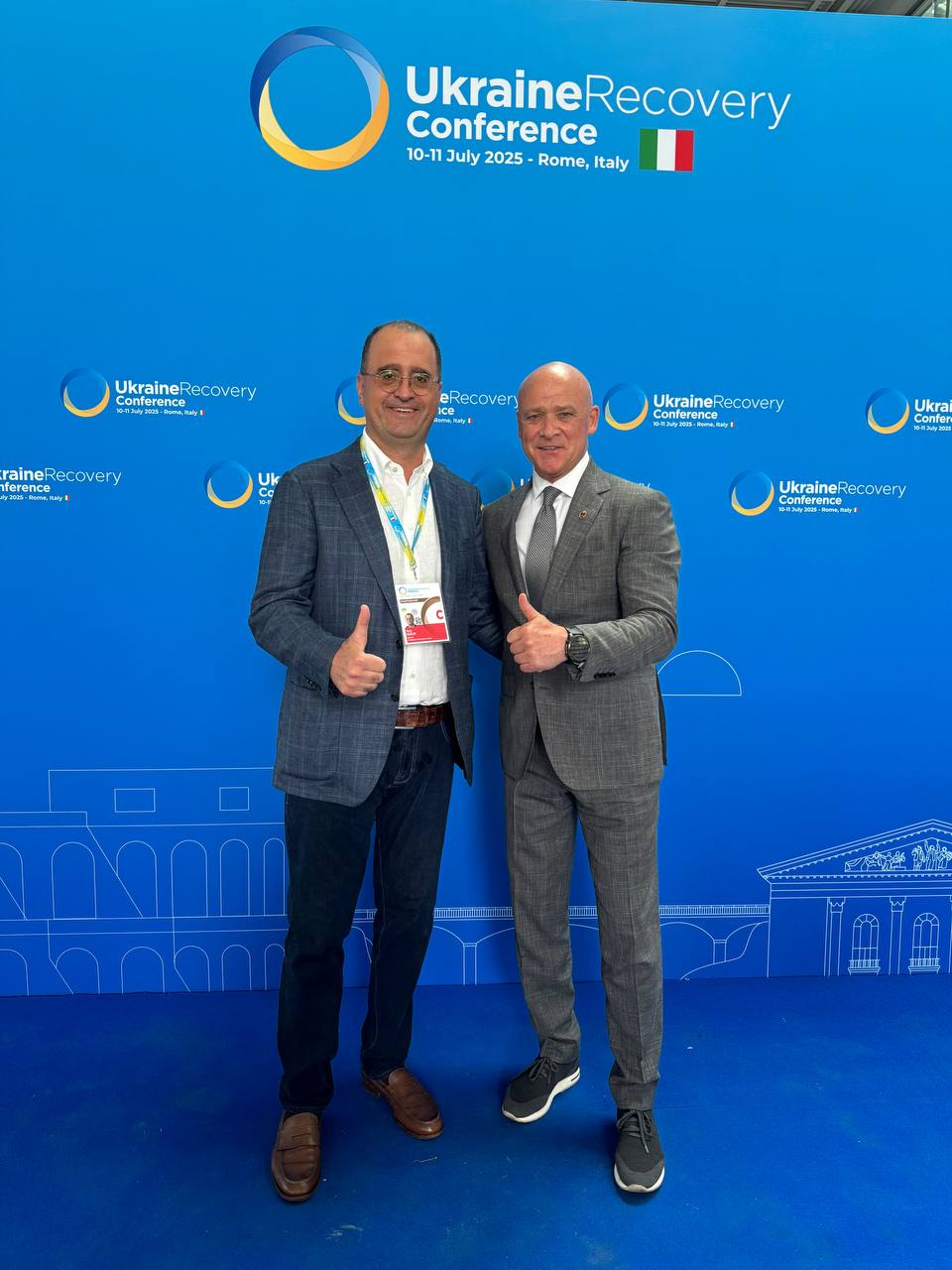
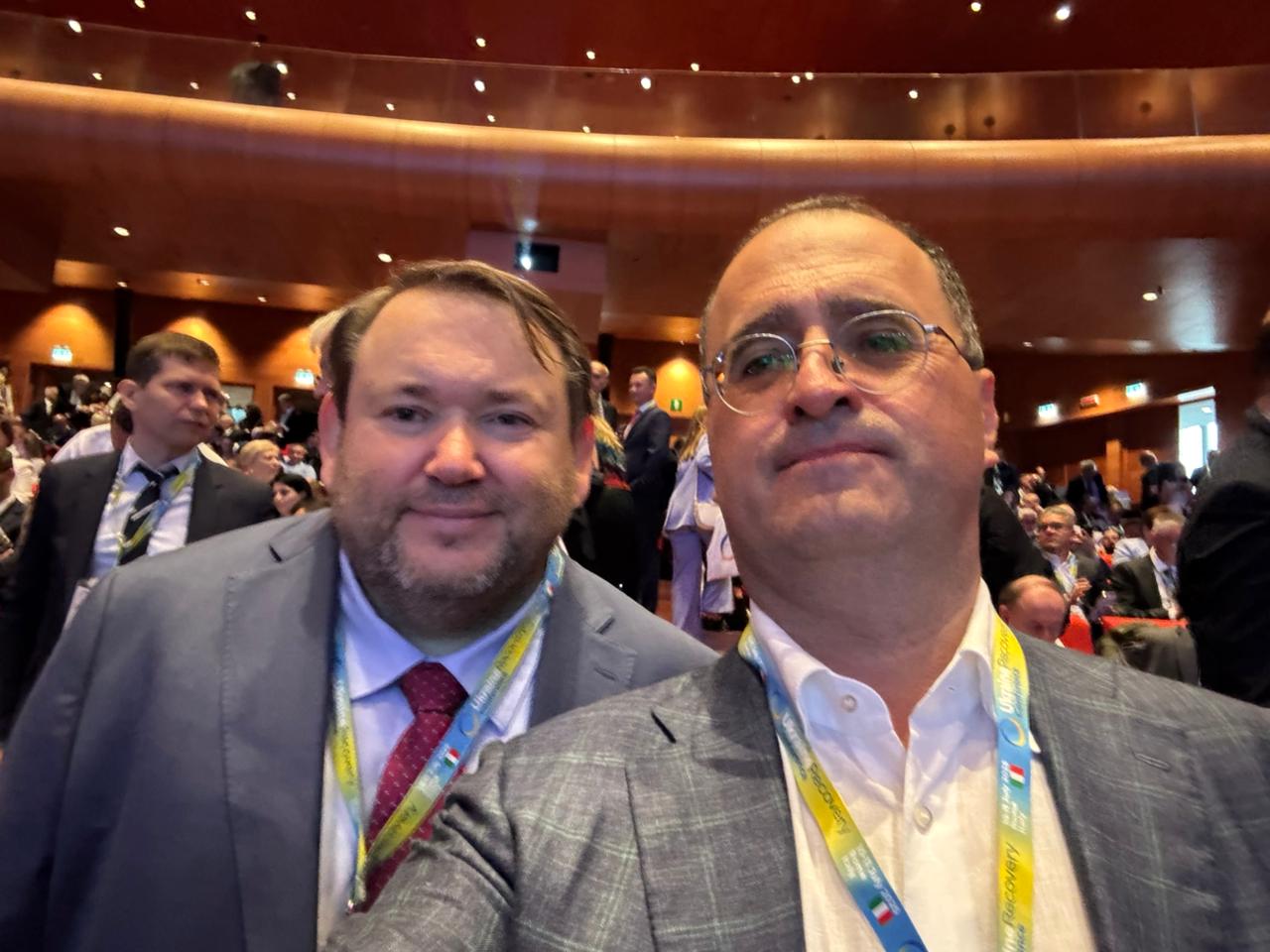
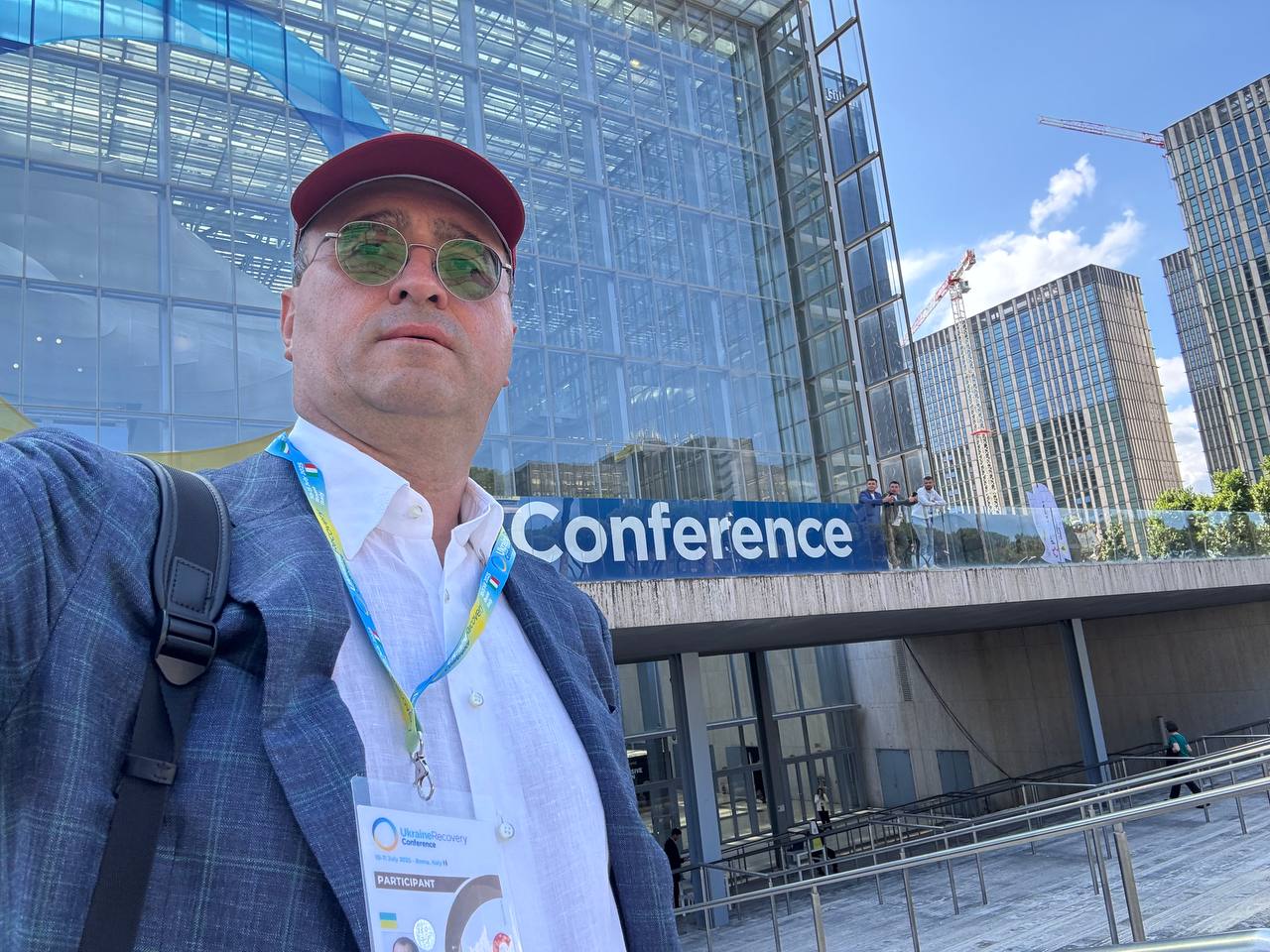
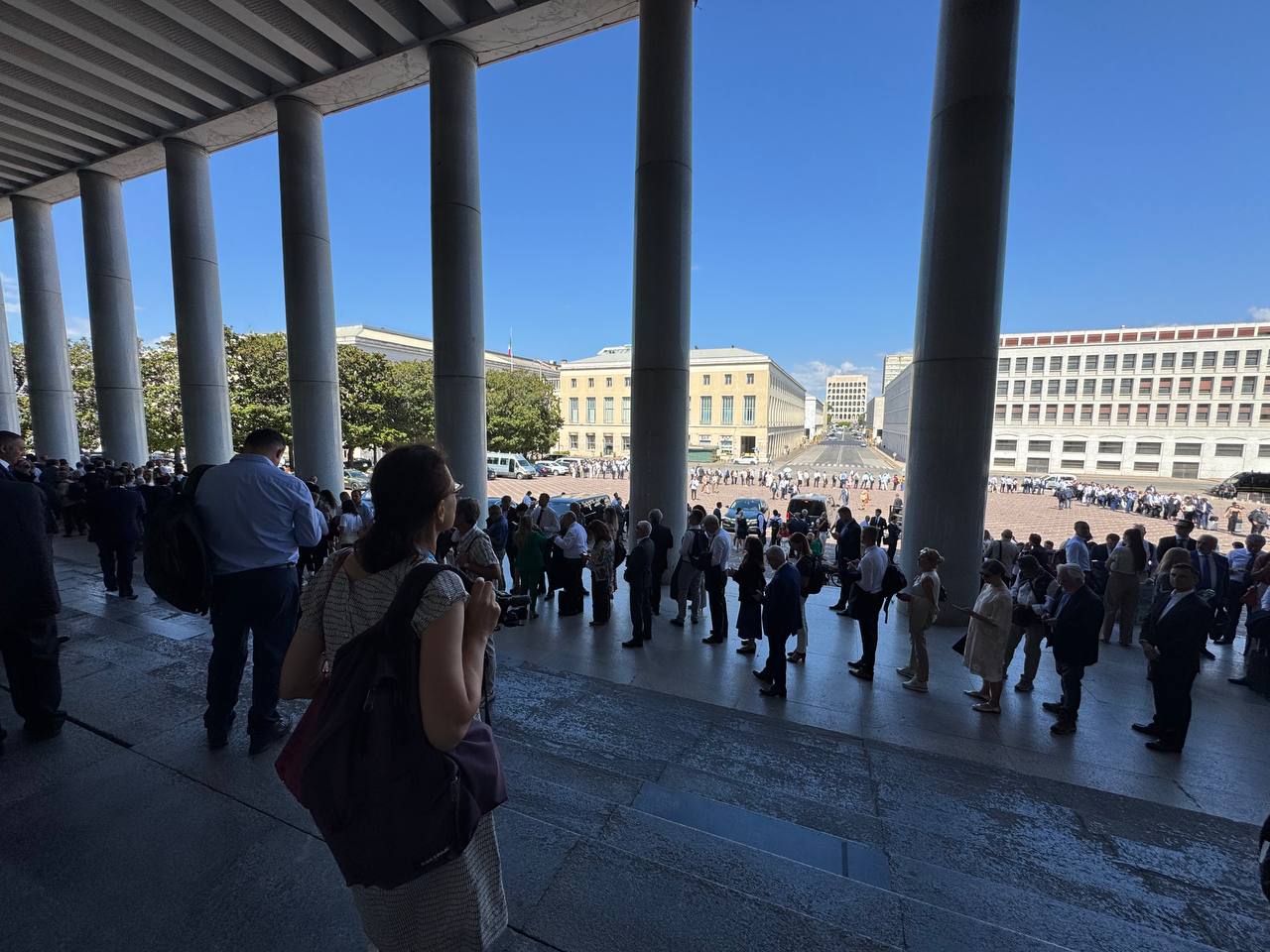
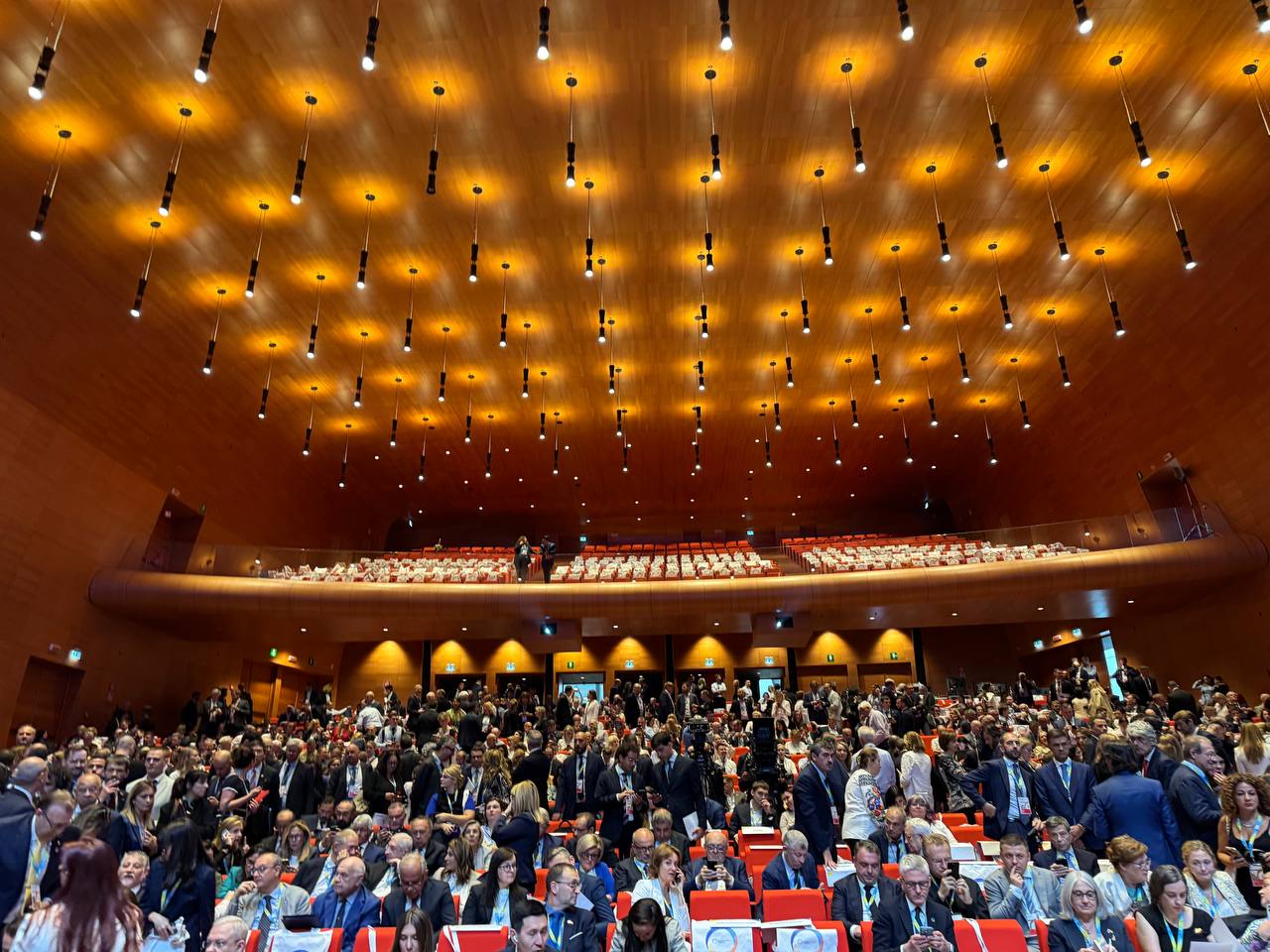
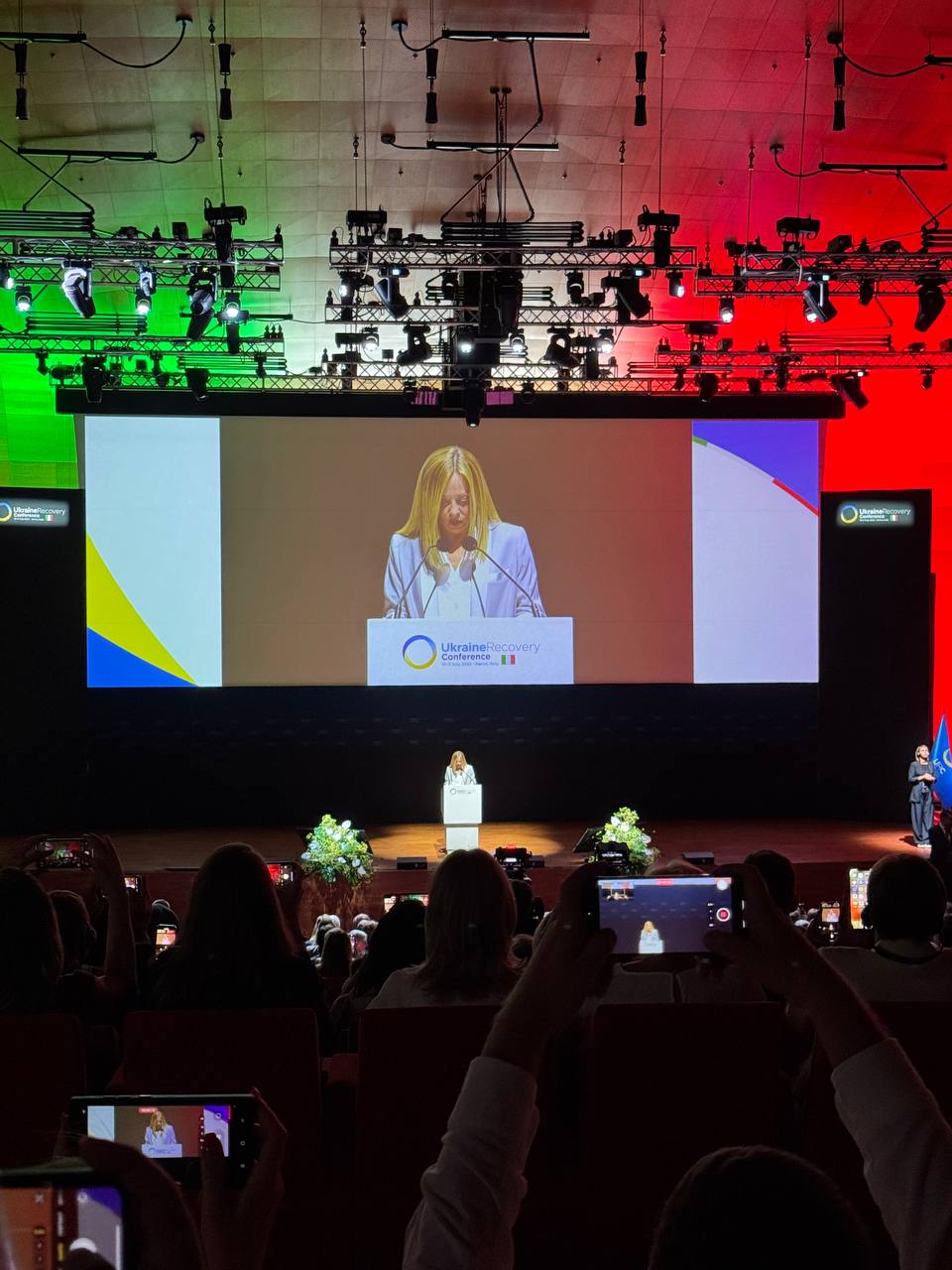
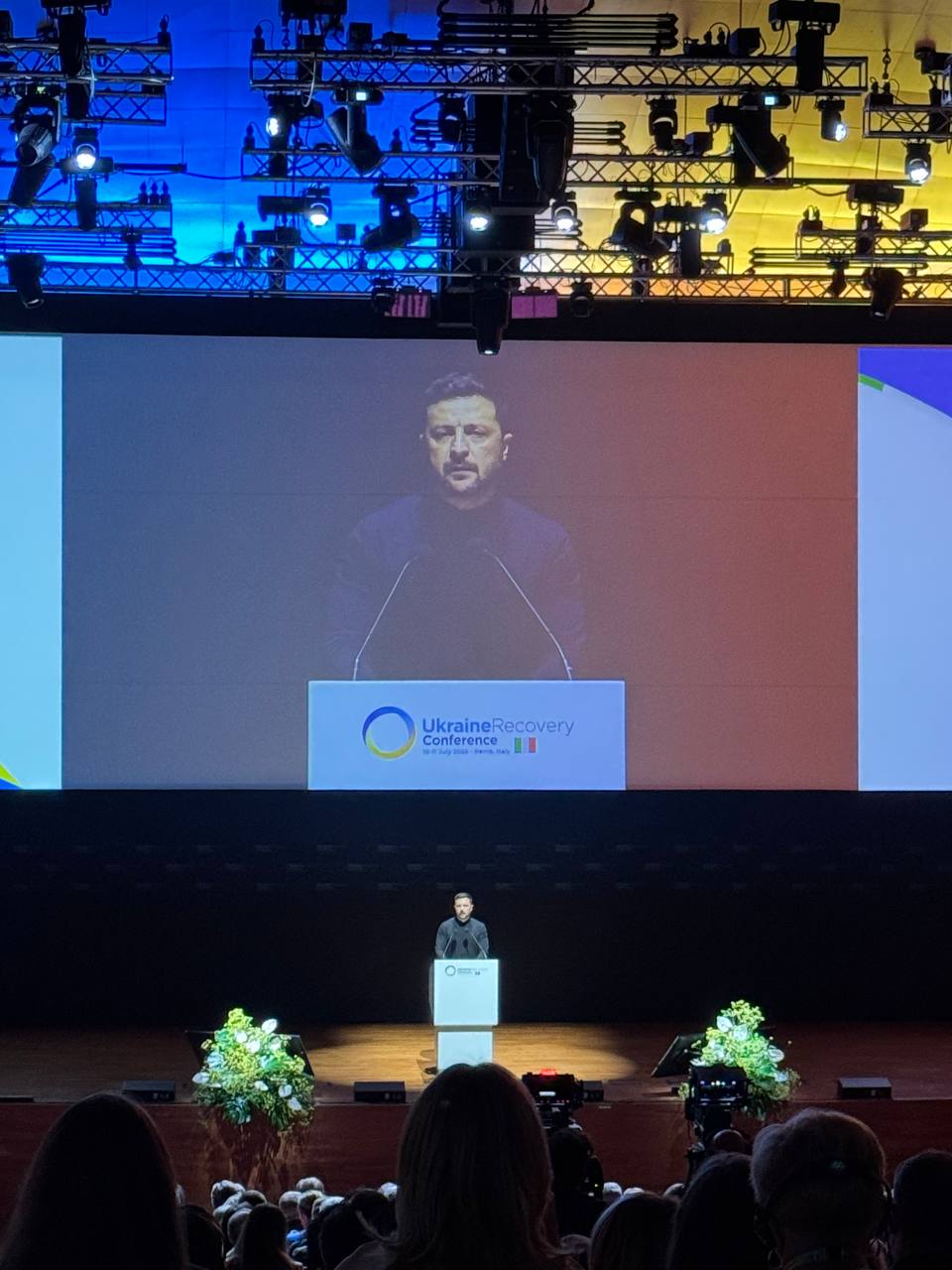
The fourth Ukraine Recovery Conference (URC), held in Rome on July 10–11, 2025, was nothing short of a turning point for the entire postwar reconstruction architecture. With more than 5,000 participants from 60 countries, including hundreds of companies, development banks, donors, and municipalities, all were united by a single pressing question: how to move from “after victory” declarations to real projects—today.
For the Ukraine Rebuilding Alliance, URC 2025 was a natural continuation of work started back in 2023, when we first presented the idea of using energy-efficient prefab technologies and decentralized renewable energy in the communities of Southern and Central Ukraine.
This helped crystallize the main demand from investors: they don’t want slogans—they want well-developed cases with sound economics, transparent data, and realistic timelines. And that’s exactly the “investment-ready” portfolio we brought to Rome.
First: Port Decarbonization.
We showcased a pilot model of a “green” port combining shore power for vessels, green hydrogen refueling stations for loaders, and a digital platform that tracks CO₂ emissions in real time. During the Energy Efficiency for the Recovery of Ukraine session, the Alliance’s Chair Yuriy Maslov emphasized:
“Recovery is not an abstract promise, but a production process that continues every day despite shelling, risks, and uncertainty. We spoke concretely—about how to launch shore power in ports this year, and how to prepare infrastructure for exporting green hydrogen to the EU. Ukrainian ports must become a laboratory for green logistics in the Black Sea.”
Second: Prefab Construction.
We presented a residential module with 100% factory readiness, Scandinavian-level energy performance, and the ability to house people just 90 days after foundation is laid. Combined with state-backed mortgage guarantees, this offers a real pathway to restoring the housing stock and helping young families stay in the regions.
Third: Trust Through Transparency.
A central theme was developing new models of trust in reconstruction—not rhetorical, but based on data, openness, and shared responsibility. We introduced a tool that makes this possible: a “project passport” built on BIM and Prozorro platforms, giving clients, contractors, donors, and communities access to the same information—work volumes, costs, and execution schedules. Transparency not just as oversight, but as a driver for investment.
Beyond Official Panels
Key conversations revolved around the demographic crisis and strategies to bring youth back. Another hot topic was the export of green hydrogen: port corridors from Odesa to Constanța and Trieste are emerging as likely routes for Europe’s first large-scale H₂ shipments, with technical specifications for maritime infrastructure now in development.
We return from Rome with new partnerships and a clear roadmap for the rest of the year. In parallel, we are preparing feasibility studies for green-port projects and working on tools for long-term capital mobilization for communities. Most importantly, all of these plans already have confirmed stakeholders, financial models, and public transparency tools.
The conference resulted in a political agreement to launch a dedicated European Reconstruction Fund for Ukraine, alongside confirmed commitments exceeding €10 billion. The world has recognized two things: Ukraine remains at the heart of the global agenda, and reconstruction is viewed not just as a humanitarian need—but as a growth opportunity.
URC 2025 made clear that rebuilding Ukraine is a fully competitive market, where success is determined by speed, depth of project development, and absolute data transparency. We are ready to operate by these rules—and to help shape them alongside our international partners.