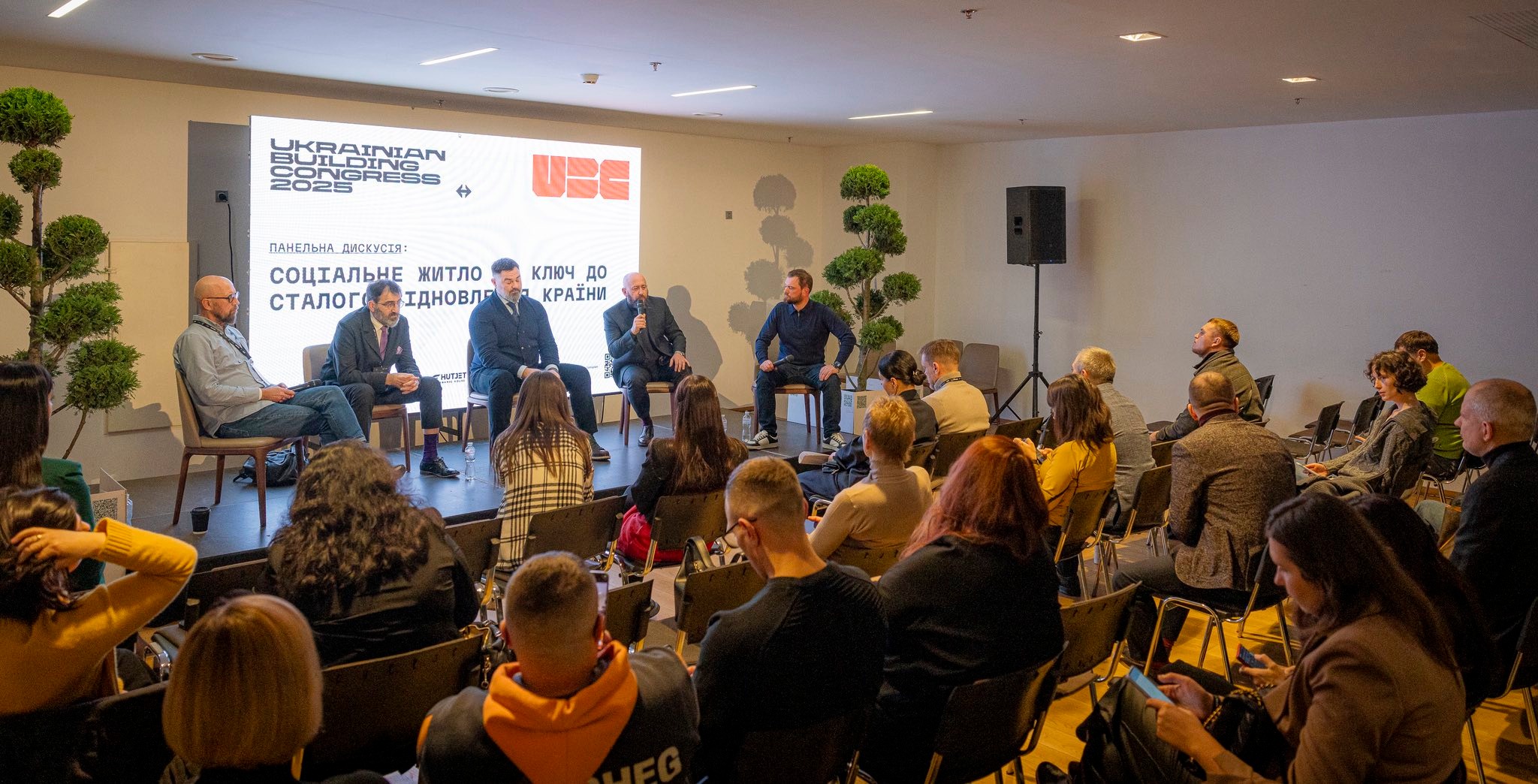
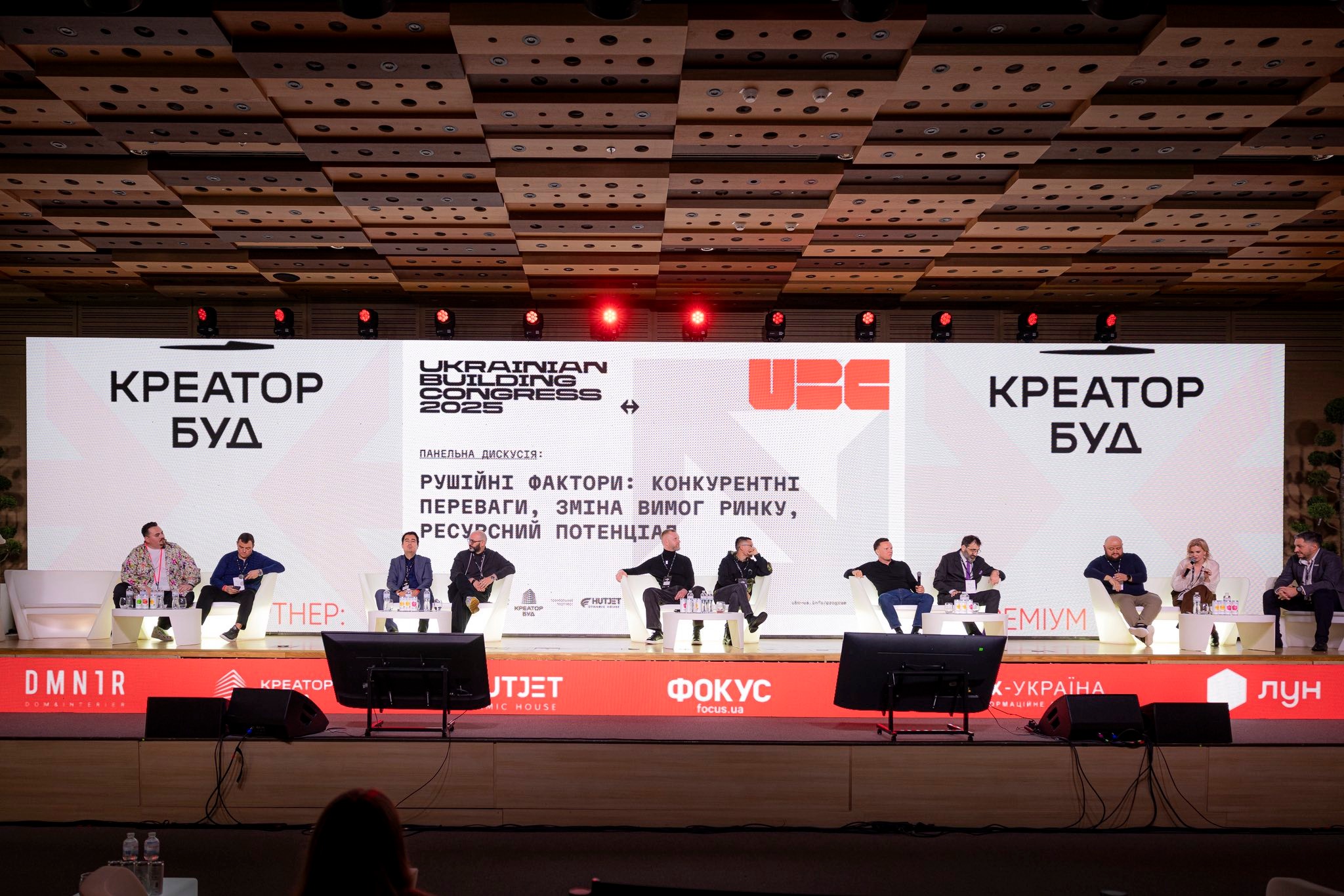
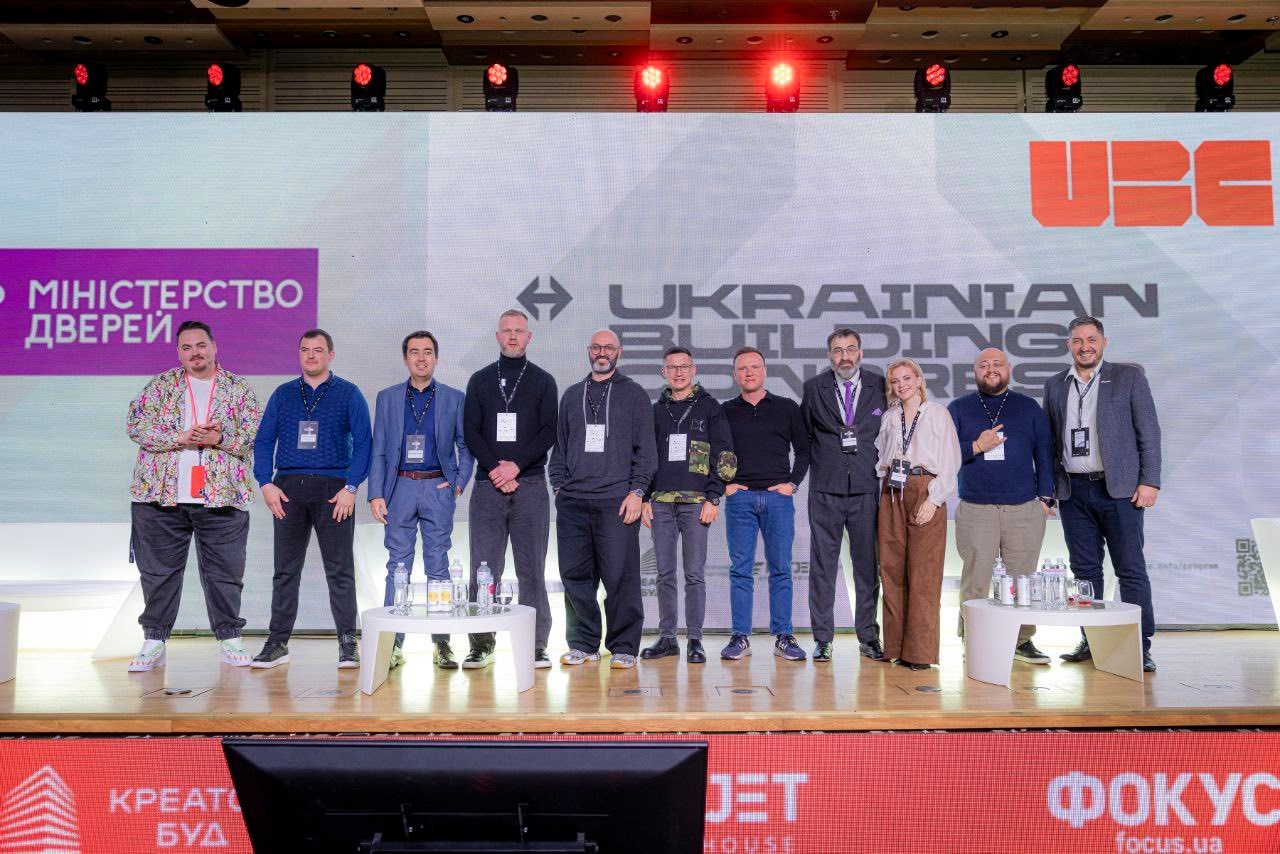
During the Ukrainian Building Congress 2025, a panel discussion was held dedicated to the driving factors behind the transformation of the construction sector: competitive advantages, changing market demands, and Ukraine’s resource potential. Leading experts in development, investment, infrastructure, and brand marketing joined the discussion, outlining how post-war processes are reshaping the structure and logic of the industry.
Participants noted that the key driving forces are no longer investor-focused models but the needs of the end user. It was emphasized that the “filling” of real estate is no longer a decisive factor for investors — the final choice is made by the tenant. For users, access to high-quality infrastructure, safety, modern housing solutions, and sufficient budgets for housing maintenance are critical.
Particular attention was drawn to the shift in approaches caused by internal migration: displaced people want to receive infrastructure conditions similar to those they had in their home communities. This forms a new planning logic that significantly influences development concepts. In this context, it was noted that Lviv currently demonstrates more dynamic growth compared to Kyiv and Odesa, thanks to its large-scale and well-developed infrastructure base.
Another topic discussed was the need to update approaches within companies that still rely on rapid marketing tactics or “first payments” instead of building long-term products. Participants stressed that the market is becoming more demanding, and new projects must create a sense of uniqueness rather than appear as simple profit tools. This directly affects reputation, investment attractiveness, and the final quality of the environment developers create.
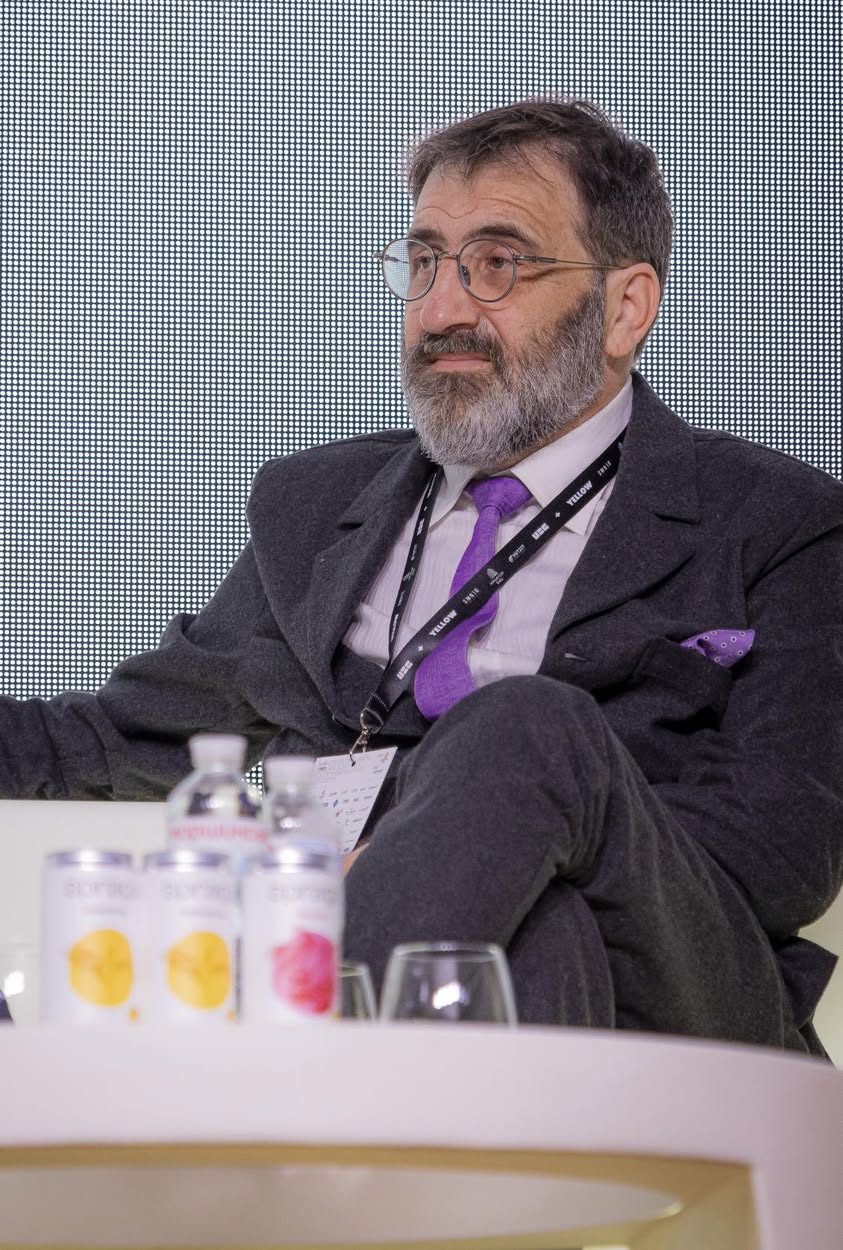
Mark Kestelboym, Board Member of the Ukraine Rebuilding Alliance and CEO of WELL-BEING CONTECH, also took part in the discussion. In his speech, he emphasized that the sector is entering a new phase where digitalization, prefab solutions, and BIM technologies are not complementary but essential tools for competitiveness.
“Changes must become a foundation for structural market stability — with institutional capital involvement, the implementation of fair regulatory standards, including digital ones, adherence to long-term models instead of short sprints and quick exits from projects, while issues of quality, energy, and environmental safety must be ensured at the platform level.”
According to Mark, these tools will accelerate production, ensure process transparency, and create a new level of interaction among all market players. He also emphasized that business models must evolve from traditional to democratic, innovative formats capable of meeting real human needs and building trust.
“I foresee the emergence of new progressive products soon — and not only due to accessible mortgages — but primarily such as long-term institutional rental parks. This will help address the shortage of affordable and high-quality housing, ensure the necessary population mobility, and allow developers to respond flexibly to demand in post-war reconstruction conditions.”
Kestelboym noted that Ukraine has every opportunity to become a major innovation hub in Europe, as the combination of market potential, large-scale needs, and flexible engineering solutions creates a unique environment for technological development.
The panel discussion outlined a wide range of challenges but also demonstrated the industry’s readiness for rethinking. The shared focus of experts — innovation, investment transparency, new product quality, and infrastructure development — creates a foundation for long-term growth and positions Ukraine to take a leading place among modern European development ecosystems.